The Date on the Bottle Isn't the Whole Story: How Long Tadalafil Really Stays Good
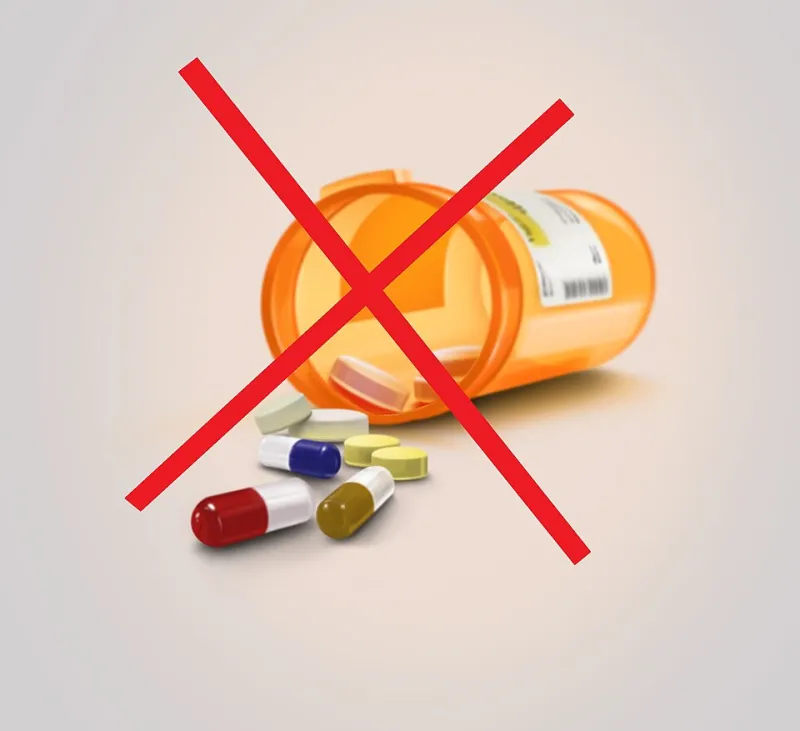
Photo: User:Mpelletier1, CC BY-SA 3.0, via Wikimedia Commons
Somewhere in a bathroom cabinet or bedside drawer, millions of American men are holding onto tadalafil tablets well past the date printed on the label. Some toss them out of caution. Others take them for years, assuming a pill is a pill. Both groups would benefit from a more accurate picture of what pharmaceutical expiration actually means — because the truth sits somewhere between the pharmacy's warning and the optimist's shrug.
Where Expiration Dates Come From
An expiration date is not the moment a drug stops working. It is the far end of a period during which the manufacturer has proven the drug meets its labeled potency and purity standards. That distinction matters. Manufacturers test stability under controlled conditions and certify only what they can guarantee. Going beyond that date doesn't mean the medication has failed — it means no one has verified it.
The FDA has studied this question directly through its Shelf-Life Extension Program (SLEP), which evaluates stockpiled medications for the U.S. military. Across hundreds of drug lots, roughly 90% remained stable and effective years — sometimes a decade — past their original expiration dates when stored properly. That research is real, and it's often cited to argue that expiration dates are arbitrary.
There's a catch, though: SLEP applied to carefully stored bulk government stockpiles, not to a bottle of tadalafil that has ridden around in a truck's glove compartment through three summers.
What We Know About Tadalafil Specifically
Tadalafil is a relatively stable molecule. Tablets are dry, compressed, and — unlike liquids or biologics — not especially prone to rapid degradation. Under ideal storage (a cool, dry, dark place), tablets typically retain the majority of their potency for a meaningful period beyond the stamped date. They don't turn into something harmful in that time; the main change is gradual loss of strength, meaning a 10 mg tablet might behave more like a 7 or 8 mg one.
For a medication where dosing precision matters — particularly for men taking daily low-dose tadalafil for benign prostatic hyperplasia, or those with cardiovascular considerations — a weakened dose is not a trivial thing. You may attribute the weaker effect to your condition worsening and seek a higher dose, when the real culprit was an old tablet.
When Keeping Old Pills Is Simply Off the Table
Some situations remove all ambiguity. Discard your medication, regardless of date, if:
- The tablets show physical changes — discoloration, crumbling, stickiness, or odor.
- The packaging is compromised — a humidity-heavy bathroom cabinet degrades tablets far faster than the label suggests.
- The pills came from a non-verified source. Counterfeit products have no reliable expiration at all.
- The bottle has been exposed to heat or moisture — a hot car, a steamy bathroom, a dishwasher-adjacent shelf.
- Your prescription has changed. If your doctor adjusted your regimen, old stock no longer fits your treatment plan.
Also worth noting: combination products, and any tablets packaged with desiccants that have been left open, degrade faster than sealed blister packs.
The Stockpiling Question
Many men buy in bulk to cut per-tablet costs — a reasonable instinct given the price of brand-name ED medication in the U.S. If you do stock up, a few habits make the practice genuinely safe:
- Store sealed blister packs in a cool, dry drawer, not the bathroom. Aim for room temperature, away from windows and appliances.
- Rotate your stock. Use the oldest supply first, and don't keep buying more than a realistic 12-month supply.
- Keep the original packaging so the lot number and date stay attached to the medication.
- Ask your pharmacist how your specific product holds up. Generic manufacturers differ in formulation and packaging.
The Bottom Line
The date on your tadalafil bottle is a guarantee, not a countdown to danger. Research suggests properly stored tablets often retain potency well beyond it. But potency is a spectrum, not a switch — and for a medication where the right dose is the whole point, an unpredictable dose is a poor bargain. If your supply is old, store-conditions are questionable, or the tablets look off, replace them. The savings from stretching an old prescription are small compared to the cost of treatment that quietly stops working.