The Snoring Question Urologists Now Ask Before Writing a Prescription
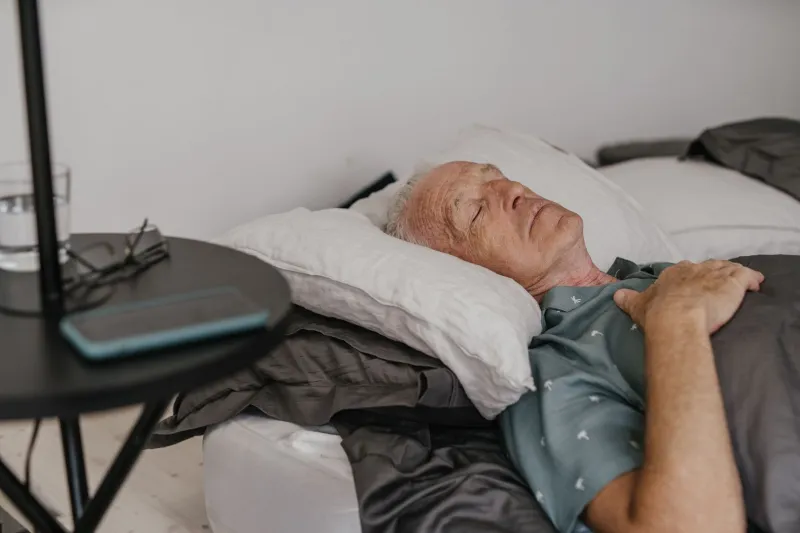
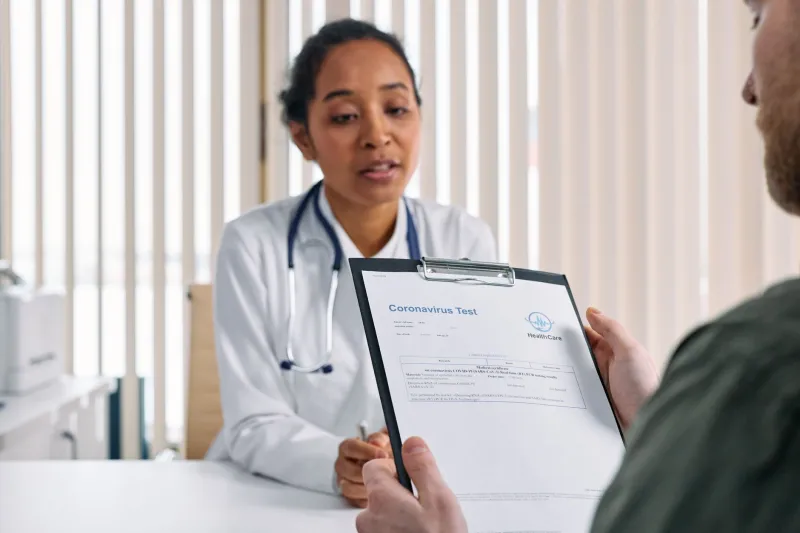
For years, the standard script at a men's health appointment was familiar: describe the problem, get a pill, schedule a follow-up. But a quiet shift is underway in urology clinics across the United States. Before discussing sildenafil or tadalafil, many specialists now ask an unexpected question — do you snore? Do you wake up tired, even after a full night in bed?
That question is not a detour. It reflects a growing recognition that obstructive sleep apnea (OSA) and erectile dysfunction frequently travel together, and that treating one condition can meaningfully improve the other.
Two Conditions, One Plumbing Problem
Erectile dysfunction is, at its core, a vascular event. An erection depends on healthy blood vessels, steady nerve signals, and adequate oxygen delivery. Obstructive sleep apnea undermines all three. Each nighttime apnea episode momentarily cuts off airflow, drops blood oxygen, and floods the body with stress hormones.
Over months and years, that repeated oxygen deprivation damages the endothelium — the delicate inner lining of blood vessels — including the small arteries that serve penile tissue. Research consistently finds that men with OSA are significantly more likely to report erectile difficulties than men without it, and the relationship appears dose-dependent: the more severe the apnea, the greater the impact.
There's also a hormonal layer. Chronic sleep fragmentation suppresses testosterone production, which naturally peaks during sleep. Men with untreated apnea often show lower morning testosterone levels, compounding the vascular problem with a hormonal one.
Why the Prescription May Only Treat Half the Problem
None of this means ED medication doesn't work for men with sleep apnea — it often does. PDE5 inhibitors like tadalafil and sildenafil improve blood flow regardless of the underlying cause. But there's a catch worth understanding.
If apnea remains untreated, the vascular damage continues. Some men find their medication works less reliably over time, requiring higher doses or producing inconsistent results. Others get partial improvement but never the full response they expected. In these situations, the pill may be managing a symptom while the root cause quietly progresses.
This is why urologists increasingly treat the sleep question as part of the diagnostic workup rather than an afterthought. Identifying apnea early can change the entire treatment trajectory.
What a Home Sleep Study Actually Looks Like
The words "sleep study" once meant an overnight stay wired to machines at a hospital lab. That's still one option, but for most men with straightforward symptoms, a home sleep apnea test is now the standard first step — and it's far less intimidating than it sounds.
A sleep clinic or sleep physician ships a small portable monitor to your house. On the appointed night, you attach a few sensors: a finger clip that measures blood oxygen, a nasal cannula (a soft tube under the nose) that tracks airflow, and a chest strap that records breathing effort. Then you sleep in your own bed with your own pillow.
In the morning, you return the device by mail or drop it off. A sleep specialist reviews the data and calculates your apnea-hypopnea index — the number of breathing interruptions per hour. Many US insurance plans, including Medicare, cover home testing when a physician documents appropriate symptoms, and the out-of-pocket cost for uninsured patients is typically a few hundred dollars, far less than an in-lab study.
Can Treating Apnea Restore Erectile Function?
The most common apnea treatment is CPAP — continuous positive airway pressure — a bedside machine that delivers a gentle stream of air through a mask, keeping the airway open all night. Adjusting to it takes persistence, but the payoff extends well past feeling rested.
Studies examining men with both OSA and ED have found that consistent CPAP use is associated with improvements in erectile function scores, and some men report better response to ED medication once their apnea is controlled. The effect isn't instantaneous or universal — it generally requires regular, nightly use — but the pattern in the research is encouraging enough that sleep health is now considered a legitimate pillar of ED treatment, alongside diet, exercise, and blood pressure control.
Weight loss deserves mention here too, since excess weight is the leading risk factor for apnea. Even modest reductions in body weight can shrink apnea severity and improve both testosterone and vascular health.
When to Push for a Sleep Evaluation
Men shouldn't need to self-diagnose, but knowing the warning signs makes for a better appointment. Consider raising the sleep question with your doctor if you notice:
- Loud, habitual snoring, especially if a partner reports pauses in breathing
- Waking with headaches or a dry mouth
- Daytime drowsiness that coffee doesn't fix
- Erectile difficulties that respond inconsistently to medication
- High blood pressure or a body mass index above 30
If your urologist doesn't ask about sleep, ask about it yourself. A referral to a sleep medicine specialist is a low-cost, low-risk step that could reframe your entire treatment plan.
The Bigger Picture
Erectile dysfunction is often the first visible signal of vascular trouble elsewhere in the body, and sleep apnea is one of its most underdiagnosed accomplices. Millions of American men have OSA and don't know it — and many of them are being treated for ED without anyone connecting the dots.
Medication has earned its place in men's health, and for most men it remains a safe, effective option. But the most complete answer sometimes starts not at the pharmacy counter, but in the bedroom — with a better night's sleep.